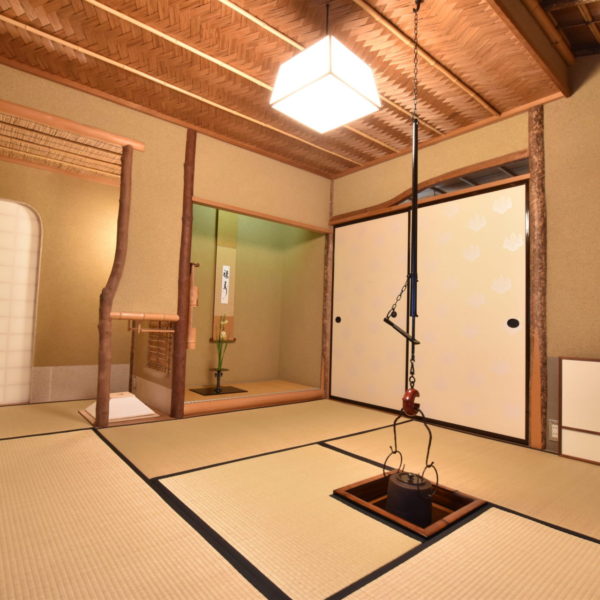
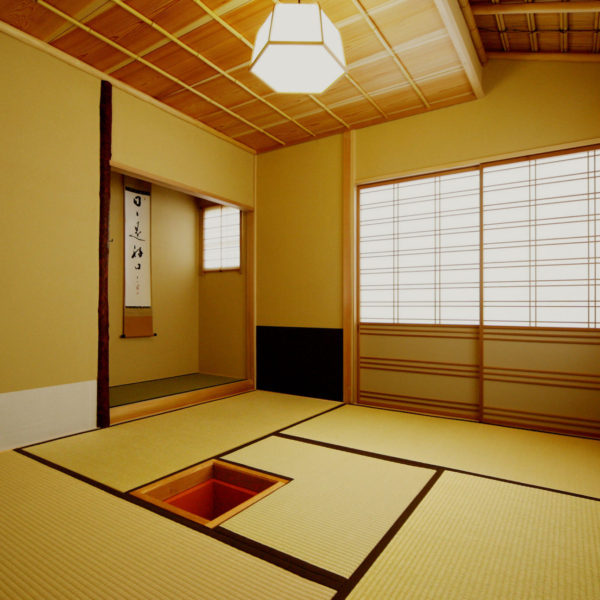
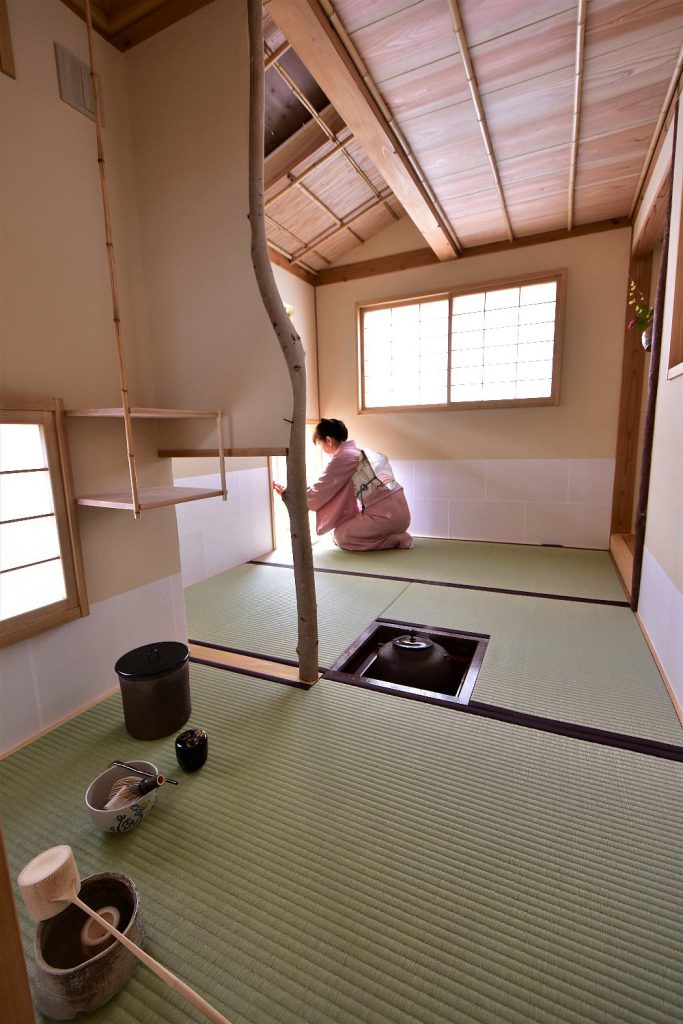
A Sendai builder that says it has built many tea rooms for the Enshū, Omotesenke and Urasenke schools.
Tap 'Visit official site' to go to this company's own website. Please send inquiries and quote requests directly through their channels.
Source: kesennumakoumuten.com
Kesennuma Komuten was founded in Sendai in 1972 by Sato (佐藤良昭), a Kesennuma native who apprenticed at 15 under a Kesen master carpenter and set up the firm at 27. The company says he encountered sukiya architecture in 1975 and learned the sukiya and tea-room techniques and design of the late Kansai master builder Hirata Masaya (平田雅哉) while working on many of his projects.
The website treats tea rooms and sukiya as a department separate from housing, and says the firm has built many tea rooms for the Enshū, Omotesenke and Urasenke schools. It combines the Kesen carpentry tradition with Kyoto traditional building, insists on fine timber, and also builds copies of National Treasure buildings, notably a replica of the National Treasure tea room Joan inside a house (2.5 Kyoto-size mats plus daime, completed 2006). The current president (佐藤和容) studied at a Japanese architecture college and trained as a carpenter at Takeda Komuten in Kyoto.
The master carpenter oversees design, construction, supervision and aftercare, and the portfolio includes single-storey sukiya houses, a detached tatami annex and modern sukiya homes. A natural choice in Tōhoku for a serious tea room or sukiya home.
Sukiya modernSukiya modern
The company explains that 'suki' in sukiya came to be written as 'liking', meaning devotion to something, and calls houses built around the owner's lifestyle and taste 'sukiya modern'.
Since the same drawings yield different results depending on the carpenter's skill, it promises proposals, design and quality materials fitted to budget and way of life.
Temples and small jobsTemples and small jobs
Temple and shrine work needs carpenters who know materials and techniques beyond mass-produced timber; besides new builds the company handles renovation, relocation, seismic reinforcement and repair, with examples at Warei Shrine and Dainen-ji in Aoba-ku.
For homes it takes jobs of any size: leaks, clogged drains, sign installation, decks and canopies, exterior work and bulky-waste disposal.