Back to results
Tea Room / Important Cultural Property (Urasenke Residence)
Kan'un-tei
かんうんてい
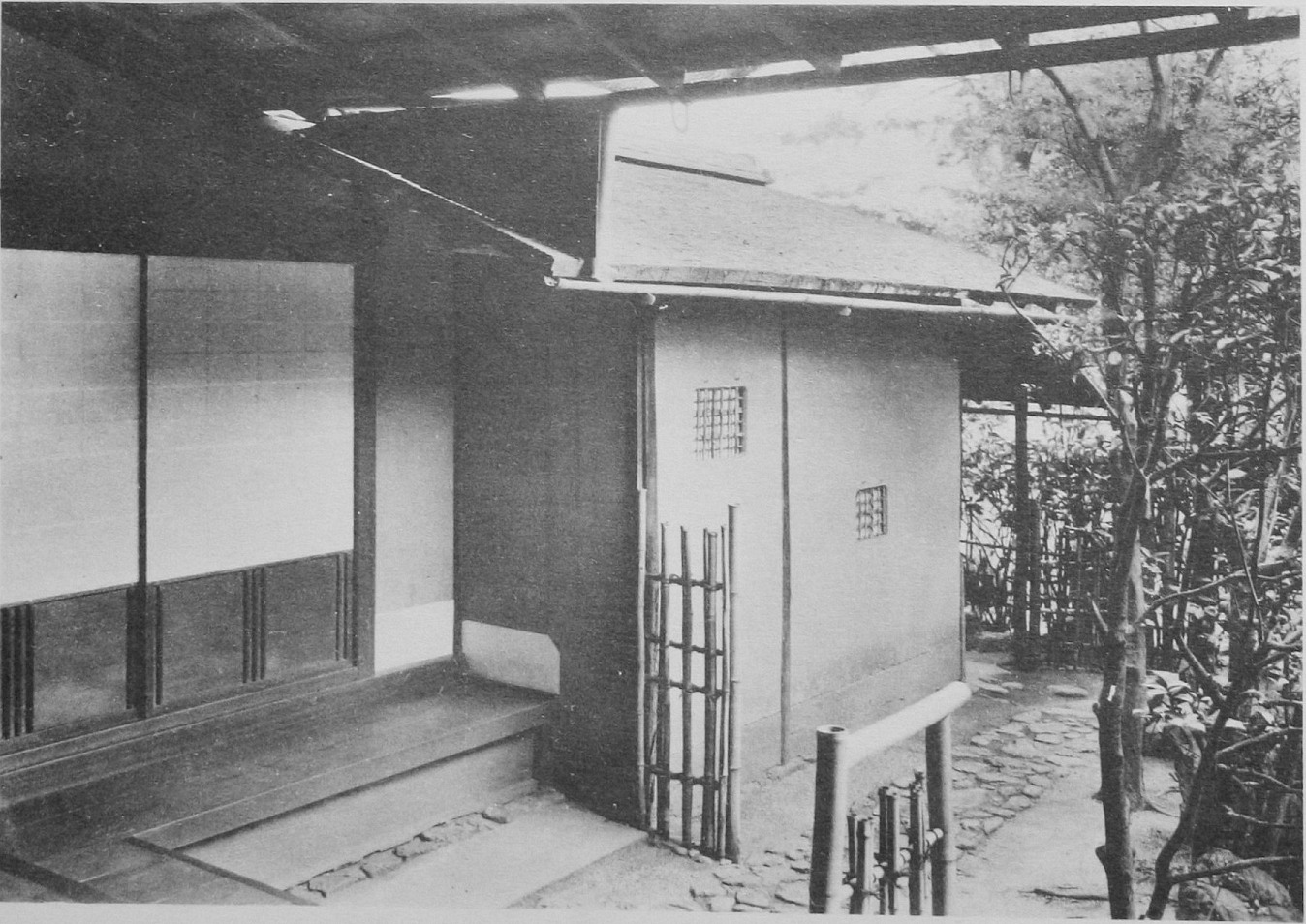
An eight-mat room at Urasenke, built in 1788. Part of the Urasenke Residence, an Important Cultural Property; private.
An eight-mat room at Urasenke, said to reflect the taste of Sen Sōtan. It is part of the "Urasenke Residence," designated an Important Cultural Property in 1976; the Agency for Cultural Affairs lists it as "Kan'un-tei (eight mats, with alcove, Yanagi-no-ma and attached writing alcove)." While most of the residence is dated to around 1839, Kan'un-tei is dated to 1788.
It is marked by shoin-style design: eight mats with a full one-ken alcove, a one-mat anteroom and a built-in writing alcove. The same residence also includes the small rooms Konnichi-an and Yū-in.
A private room of the head family; not open to the public.
GalleryGallery


Sources (checked 2026年10月)
Tea Room
Interior
Garden
Images are placeholders — no photographs of the cultural properties are shown
Build a tea room like Kan'un-tei
Compare sukiya builders and architects with their past work.
近くの名席Nearby rooms
View all  Site photo
 Site photo