 Back to results
Tea Room / National Treasure
Mittan
みったん
A National Treasure at Ryōkō-in, Daitoku-ji, known for its formal "Mittan-doko" alcove — a pinnacle of shoin-style tea, rarely opened.
A tea room built into the shoin (a National Treasure) of Ryōkō-in, a sub-temple of Daitoku-ji, known as the Mittan-seki. Built in the Kan'ei era (1624–43), it is a somewhat shoin-like four-and-a-half-mat daime room said to reflect the taste of Kobori Enshū. Its two alcoves are said to have been made to hang a calligraphy by the Song Zen master Mittan Kanketsu and a letter by Sen no Rikyū.
The Agency for Cultural Affairs notes ornate detailing, especially the staggered shelves on the west side, alongside a neatly handled centre post and board wing wall. The room was first built on its own; around 1649 larger rooms and a broad veranda were added around it to form a single shoin. It is regarded as a representative surviving tea room of the early Edo period.
Ryōkō-in was founded in 1606 by Kuroda Nagamasa to pray for his father Yoshitaka (Josui). The shoin was designated an Important Cultural Property in 1908 and a National Treasure in 1961. It is one of the three surviving National Treasure tea rooms, with Jo-an and Tai-an.
How to experience itVisit & use
Ryōkō-in is generally closed to the public, and no public viewing of the Mittan-seki is offered.
Visitor informationInformation
| Address | Ryōkō-in, Daitoku-ji, Murasakino, Kita Ward, Kyoto |
|---|---|
| Status | Generally closed to the public |
Sources (checked 2026年10月)
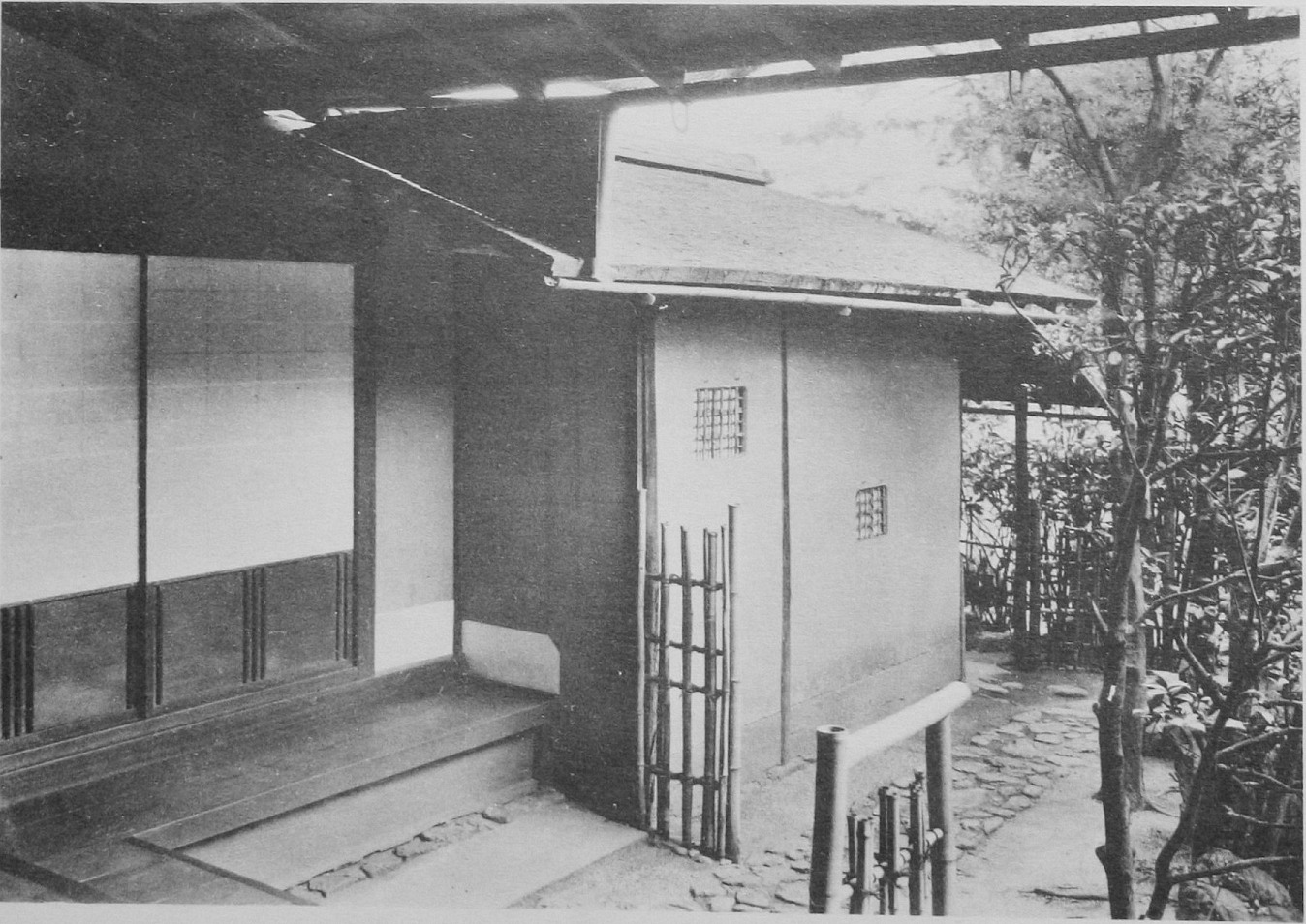
Photo: Ryōkō-in, Daitoku-ji — the site where this tea room stands, not the room itself. Wikimedia Commons / CC BY-SA 3.0 / hiro
Build a tea room like Mittan
Compare sukiya builders and architects with their past work.
近くの名席Nearby rooms
View all  Site photo
 Site photo