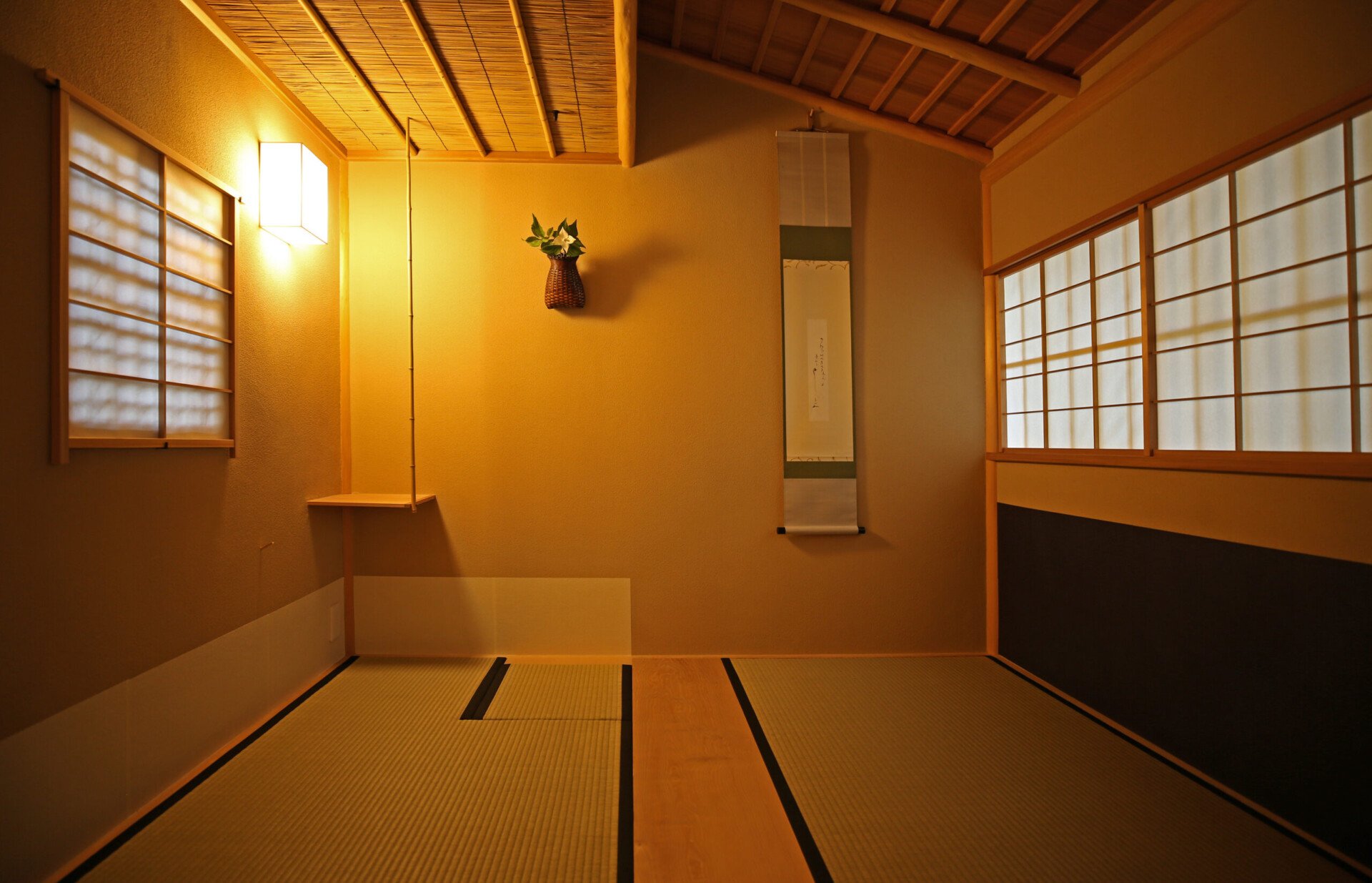
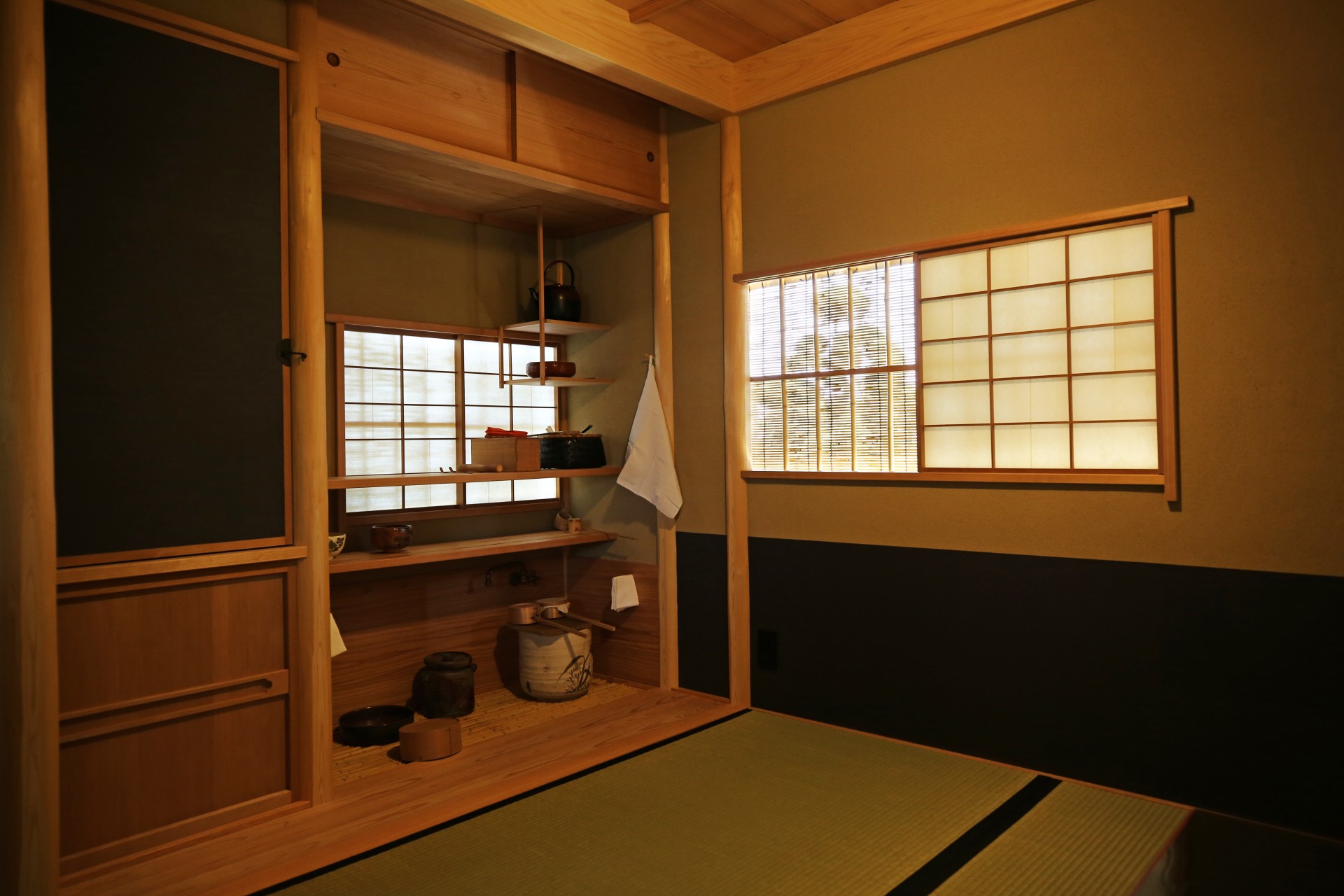
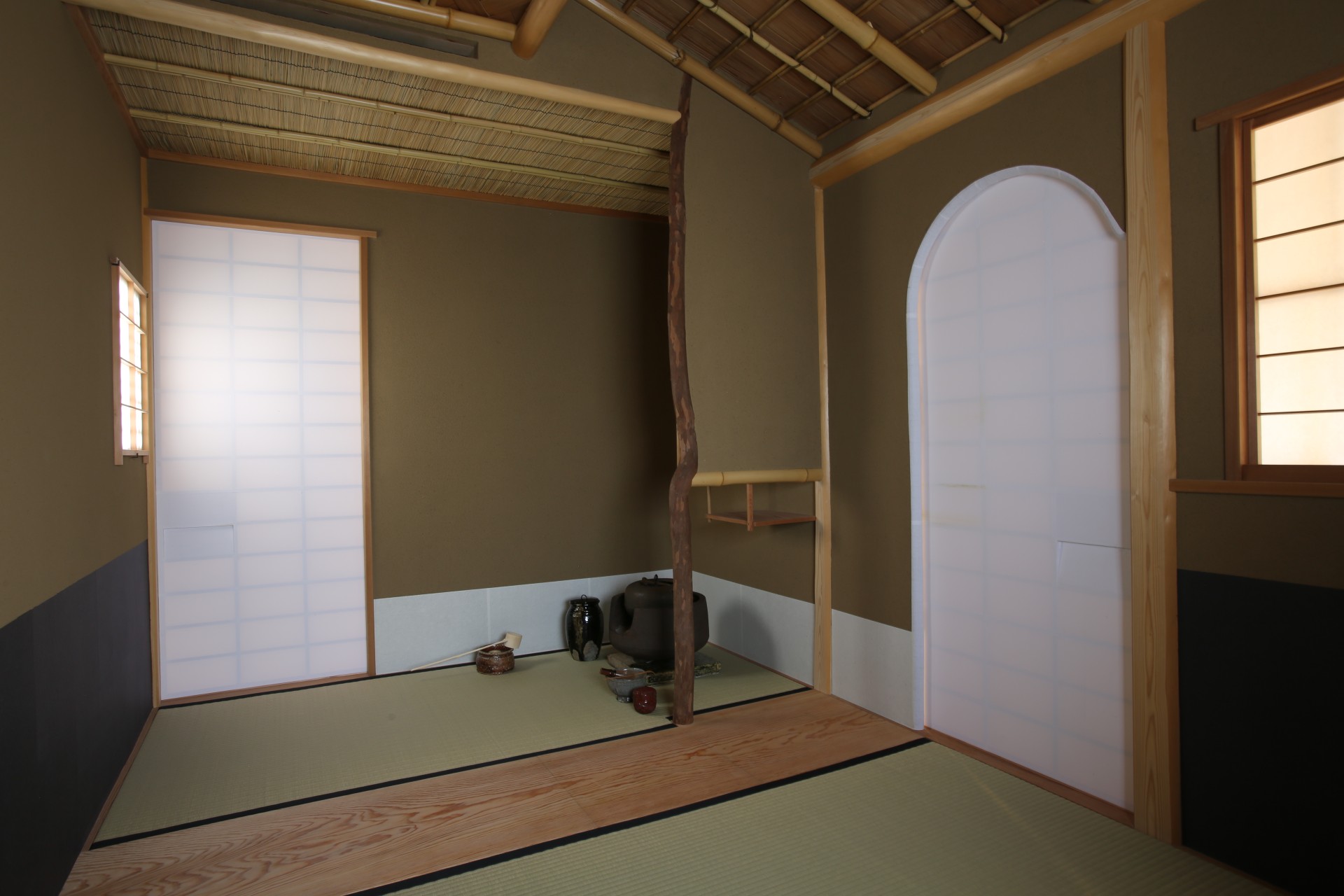
Builds authentic tea rooms in the Kanto region, inviting Kyoto craftsmen.
Tap 'Visit official site' to go to this company's own website. Please send inquiries and quote requests directly through their channels.
Source: tutikabekoubou.jp
A temple-carpentry firm and first-class architect office based in Isehara, Kanagawa. Principal Yukio Uchida trained in Kyoto and founded the company in 1998, working on temples, shrines, cultural-property repairs and sukiya. He holds the Chief Craftsman for Cultural-Property Woodwork certification — about 300 people hold it nationwide — and the firm takes on repairs of National Treasures and Important Cultural Properties.
For sukiya work it teams up with architects who serve tea masters in Kyoto and invites Kyoto plasterers, joiners, paperhangers and tatami makers. It pays close attention to the details: bamboo-lath earthen walls and shitaji windows, tatami laid to tea-room rules, and the paper finish of the serving door.
Besides new tea rooms, it converts Japanese rooms into tea rooms, adds mizuya preparation areas and cuts in sunken hearths, for any school of tea. It also hides air conditioning above the ceiling with discreet vents so as not to spoil the room's atmosphere.
How the firm learned sukiyaHow the firm learned sukiya
In his thirties, principal Yukio Uchida met the late Kiyoshi Yasui, former vice-president of Kyoto's Yasui Moku Kōmuten, the firm behind work on Katsura Villa, Joan and Taian. Through Yasui's study group for young carpenters, Sei-juku, he learned the basics on Kyoto sukiya repair sites and building tours.
Later Kyoto architect Toshifumi Saimon — who trained under master builder Takaaki Yamamoto on the introduction of tea-room scholar Masao Nakamura — began entrusting projects to the firm, and Uchida continues to study the Usui school of sukiya. He also studies tea himself and belongs to an Omotesenke men's tea group in Kanagawa.
Craftsmen invited from KyotoCraftsmen invited from Kyoto
Specialist sukiya plasterers come from Kyoto for bamboo-lath earthen walls, shitaji windows and the clay lining of a proper hearth. Tatami are made by a family of tatami makers who serve the Omotesenke Fushin-an, and fusuma and shōji by a paperhanger who serves the Urasenke Konnichi-an.
The site explains each trade's key points — for example, tea-room tatami are not fit for tea unless finished to the rules, and papering a serving door is said to take ten years of training to master.
Seismic upgrades for traditional buildingsSeismic upgrades for traditional buildings
Traditional timber frames are flexible structures held by nuki tie-beams and earthen walls, so ordinary bracing can upset their balance. The firm works with a structural engineer and designs reinforcement using limit-strength calculation.
It surveys column tilt, uneven floors and damage under the floor and in the roof, writes up a report, and proposes bearing walls that keep the look — earthen walls, lattice walls or diagonal boarding. In one main hall, re-roofing from tile to titanium alloy cut about 20 tonnes.