Purveyor to Daitoku-ji temple, with global work including a tea house built in Paris.
Tap 'Visit official site' to go to this company's own website. Please send inquiries and quote requests directly through their channels.
Source: sukiya-kyoto.com
Founded in 1909 at the foot of Funaokayama in Kyoto, the firm ran a timber business before becoming a builder; the current president is the fourth generation of the construction company.
As an appointed builder to Daitoku-ji, it designs, builds and maintains tea rooms and sukiya buildings, temples and shrines, machiya and wooden houses. Recently it has built a tea room in Paris and collaborated with overseas architects.
Besides new tea rooms, it makes replicas of National Treasure tea rooms, fits tea rooms inside houses and apartments, and relocates existing ones. It works mainly in Kyoto, Osaka, Hyogo, Nara and Shiga, as well as Tokyo, Kyushu and abroad; first consultations and site visits are free within the Kansai area.
Ceiling height and hospitalityCeiling height and hospitality
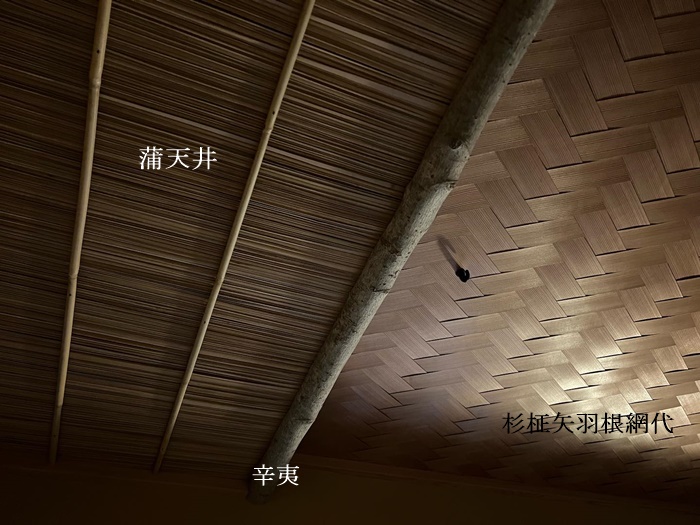
Where an ordinary house has ceilings of 2,400–2,500 mm, the firm considers 1,800–1,900 mm right for a tea room. The host's side is lower and plainer, the guests' side higher, expressing hospitality through height and material.
FAQ (tea rooms and design)FAQ (tea rooms and design)
Q. How much does a tea room cost? / A. About 3–5 times an ordinary house, roughly ¥5 million per tsubo as a guide, depending on size and specification.
Q. Can a room in an apartment be made into a tea room? / A. Yes; the firm has built tea rooms inside buildings. Visits to completed tea rooms can be arranged.
Q. What do consultations cost? / A. First consultations and site visits are free within Kansai. A drawn proposal costs ¥30,000, and design fees are within 10% of construction cost.